
How to Make Daily Routines Easier
It’s amazing how a few out-of-place things can completely derail momentum. This hit me while cleaning my son’s room the other day. One of the thoughts that crossed my mind was how to make routines easier by avoiding clutter. I couldn’t even get the vacuum around the bed without first moving piles off the floor and clearing space on the desk. Every step took longer than it should have — not because I didn’t want to clean, but because friction was everywhere.
Friction is anything that stands between you and the task you’re trying to do. It might be clutter on the floor, a shelf too full to dust, or a missing item you can never find when you need it. And the more friction builds up, the harder it becomes to follow through — whether it’s tidying, cooking, or keeping a simple habit.
As a homemaker who’s spent years refining systems that work in real life (not just on Pinterest), I’ve learned that removing friction is one of the most powerful ways to make daily routines easier and more automatic.
In this post, we’ll look at three kinds of friction — physical, habitual, and environmental — and how removing them can bring ease, flow, and peace back into your home.

Would you like to save this?
1. Removing Physical Friction
Clutter That Blocks Action
The day I cleaned my son’s room, I realized how much friction clutter creates.
I wasn’t just vacuuming — I was navigating around obstacles. Every time I had to move something before cleaning, it added time and drained energy.
Friction often hides in plain sight: piles on the floor, shelves overflowing, or drawers packed so tightly you hesitate to open them. It’s not just about how it looks — it’s about how much extra effort it demands before you can even begin.
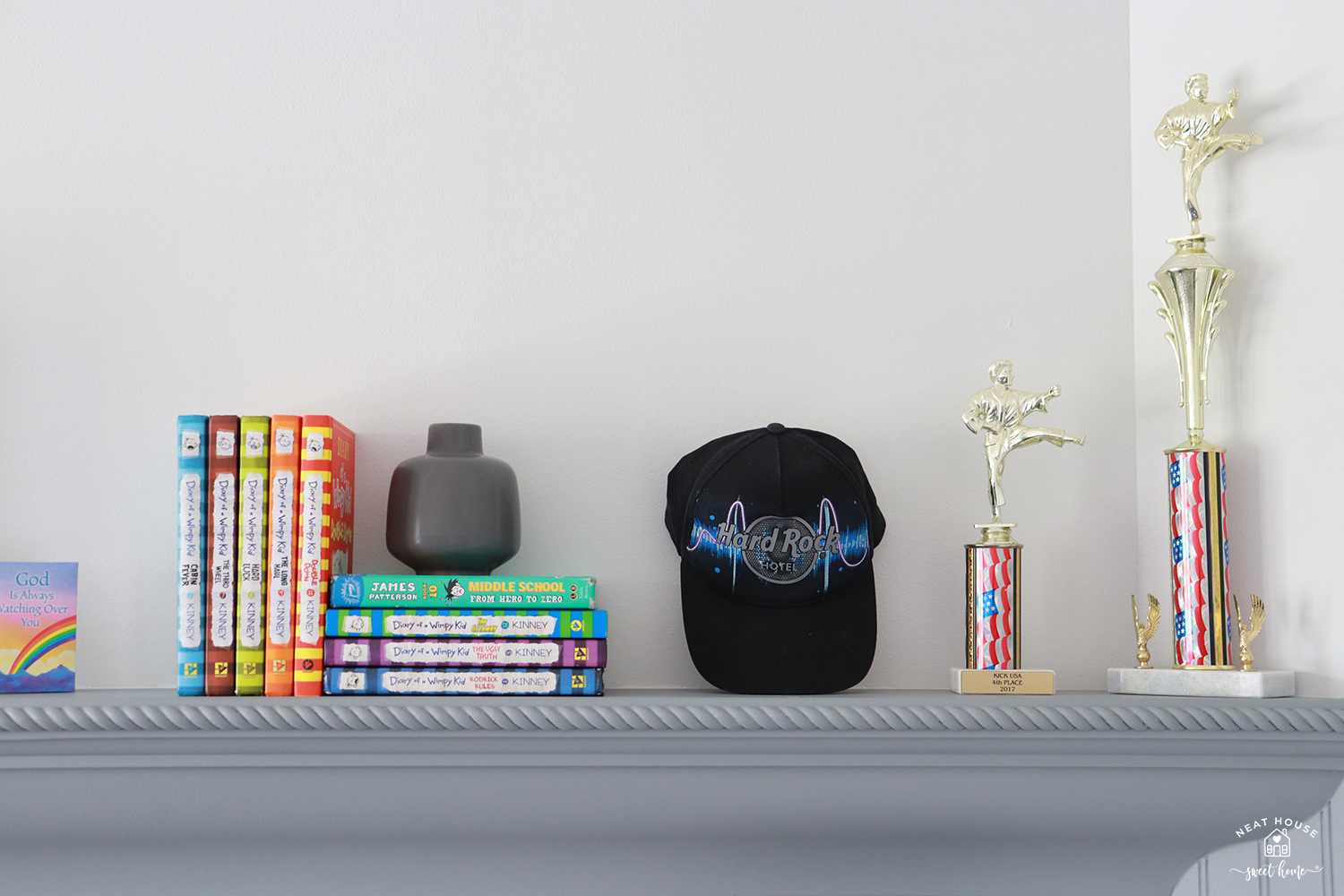
For me, clearing clutter isn’t about perfection; it’s about peace. I want spaces that help me think clearly and move freely. When the environment feels open, so does my mind.
Try this:
- Clear one flat surface that always collects clutter.
- Keep cleaning tools where you use them — the closer, the better.
- Give frequently used items a “landing zone” so returning them becomes effortless.
When things are easy to reach and easy to return, consistency becomes natural.
Related read: The Four Pillars of Organization — to learn how order and proximity make your spaces work smarter.
2. Removing Habit Friction
Why Systems Matter More Than Motivation
Friction doesn’t only exist in your spaces — it shows up in your routines, too.
Every time you tell yourself, “I’ll start tomorrow,” there’s usually something standing in the way. Maybe it’s missing supplies, too many steps, or a lack of rhythm.
Motivation fades fast, but systems remove friction before it appears. For instance, I keep my bathroom cleaning caddy in a small closet in my bathroom. That one small change saves me the resistance of walking to the garage shelf, and that difference means I actually follow through when I notice the mirror needs a quick clean.

The same concept applies everywhere:
- Keep your planner open on your desk — it invites you to use it.
- Create mini zones for everyday routines, like your coffee area or desk setup.
- Batch small tasks together so you don’t lose time starting over again and again.
Before I start any task, I make sure everything I need is right there. That simple step removes hesitation — and once I’ve started, momentum takes care of the rest.
Related read: 5 Steps to Let Go of Duplicates at Home — on why simplifying choices and routines brings more peace than chasing motivation.
3. Creating Flow
Designing Your Home and Routines for Ease
When you combine low-friction spaces with supportive systems, your home begins to work with you, not against you.
For me, flow looks like a home that’s easy to tidy and peaceful to come back to. It’s not about picture-perfect setups — it’s about creating rhythms that feel natural. Every small reduction in friction adds up: one less thing to move, one less step to remember, one less barrier between you and calm.

If you’ve ever seen my quiet prayer corner and cart, that’s a perfect example. Everything for my reflection time is together in one spot, which means I never have to hunt for what I need — and that’s exactly what flow feels like.
Ask yourself: does my home support my routines, or slow them down?
Design your spaces around your habits, not the other way around.
A Reset Ritual: The Two-Minute Friction Fix
Choose one spot that always slows you down — a drawer, a countertop, or a corner.
Set a timer for two minutes and remove just one layer of friction: put away what doesn’t belong, toss what’s expired, or group like items together.

You don’t have to finish. The goal is simply to make that space easier to use next time. Do this once a day for a week and watch your home — and your habits — start to flow more easily.
Related read: 5 Resets to Do Every Sunday Simple routines that reset your home each week.
Finding Ease by Removing Friction
Friction often goes unnoticed until we slow down enough to feel it. It shows up as hesitation, procrastination, or that invisible weight that makes simple tasks feel heavier than they should. But once we start removing friction—both physically and mentally—life begins to flow again.
“Ease is not a luxury—it’s the reward of good systems.”
When you design spaces and routines that support your rhythm, you create room for peace, presence, and clarity. Clearing space isn’t just about keeping a tidy home; it’s about reclaiming time and energy for what truly matters.
By removing friction, you make your daily routines easier and more intuitive. Tasks take less effort, habits feel lighter, and your home begins to serve you—not the other way around.
Start small today: find one place in your home that slows you down and remove a single layer of friction.
And if you’d like more weekly resets and mindful systems like this, join my newsletter, The Neat Reset, for simple ways to bring ease and flow into your home and your habits.
to fresh starts, Flavia 🌿